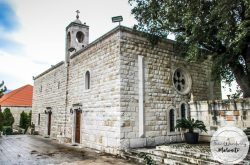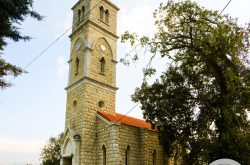

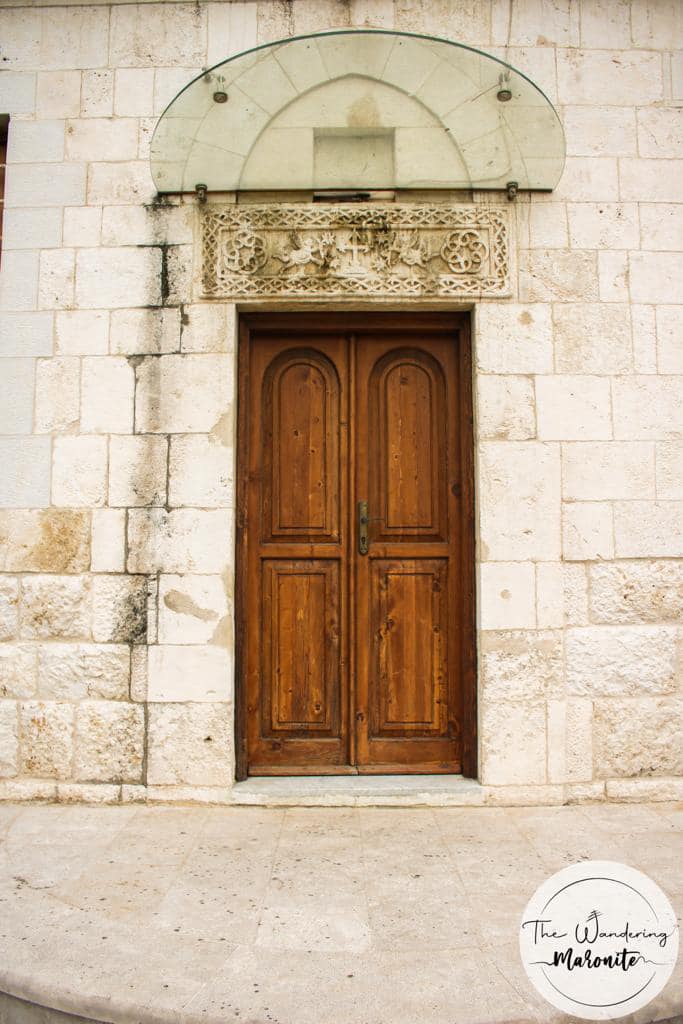
Haret el Mir, Zouk Mikael – The Church of Our Lady of Perpetual Help

Haret El Mir, Lebanon

Other Details

كنيسة سيّدة المعونات حارة المير

Zouk Mkayel

Keserwan

Mount Lebanon

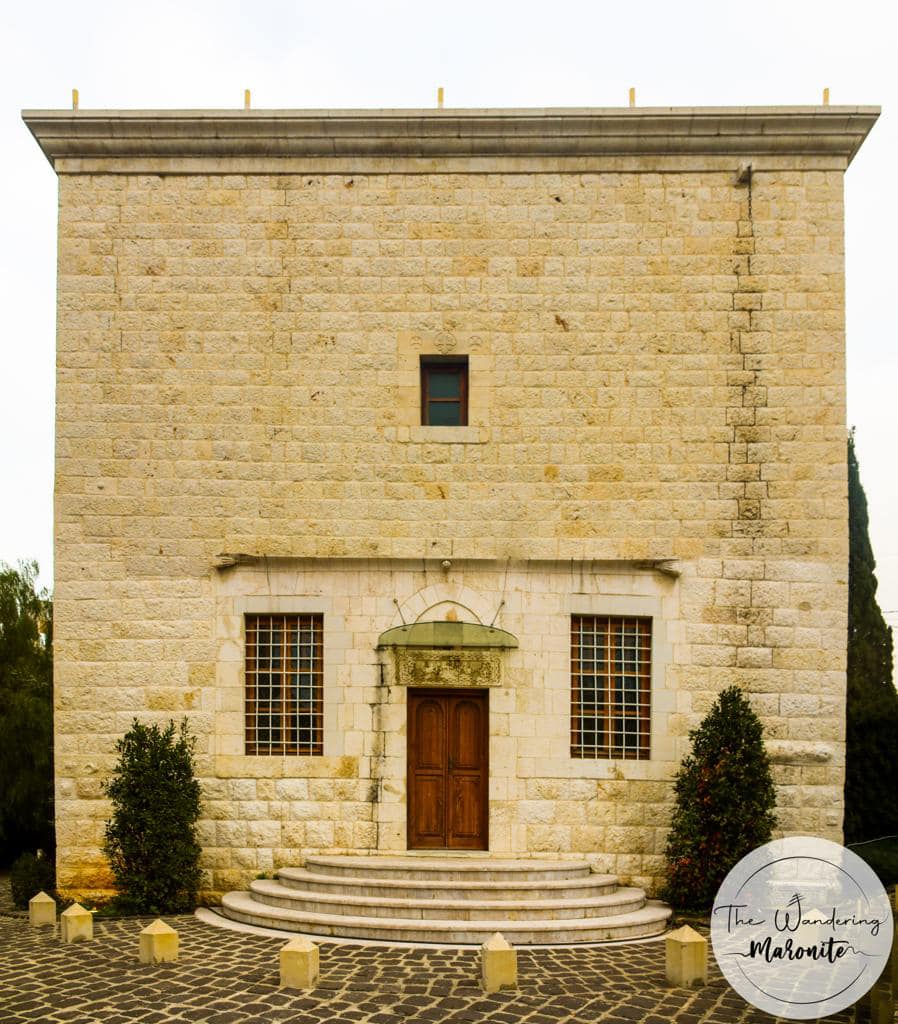
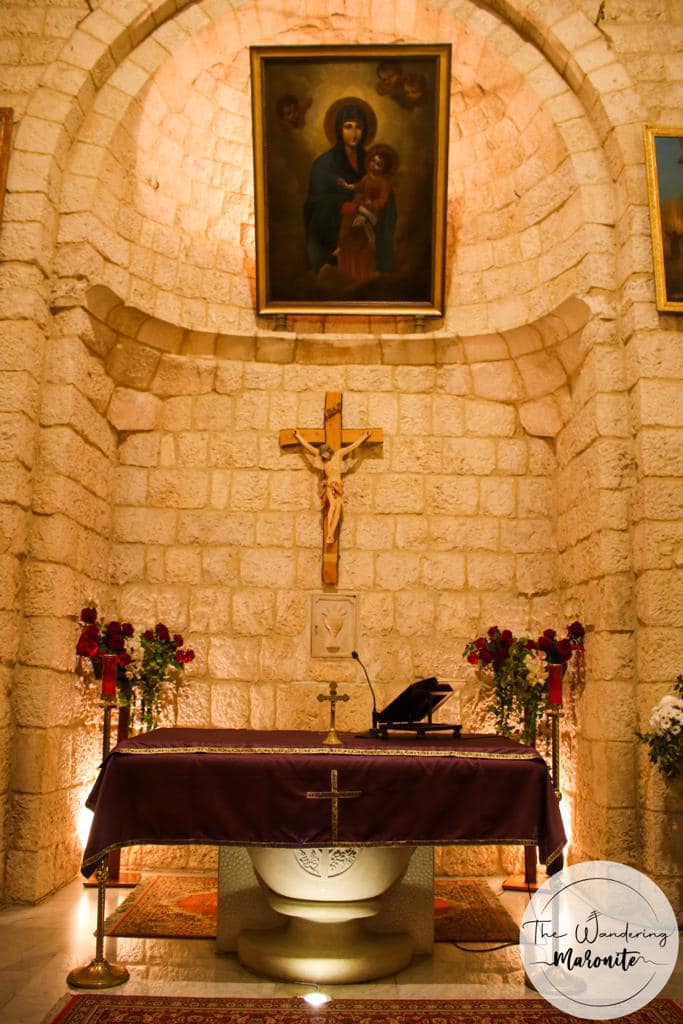
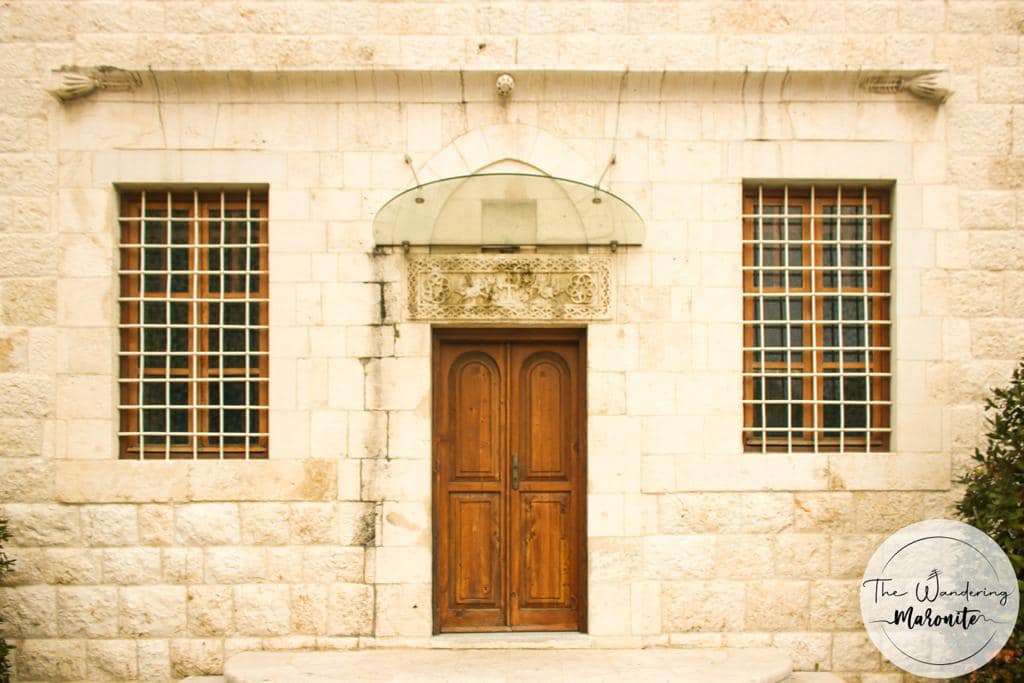
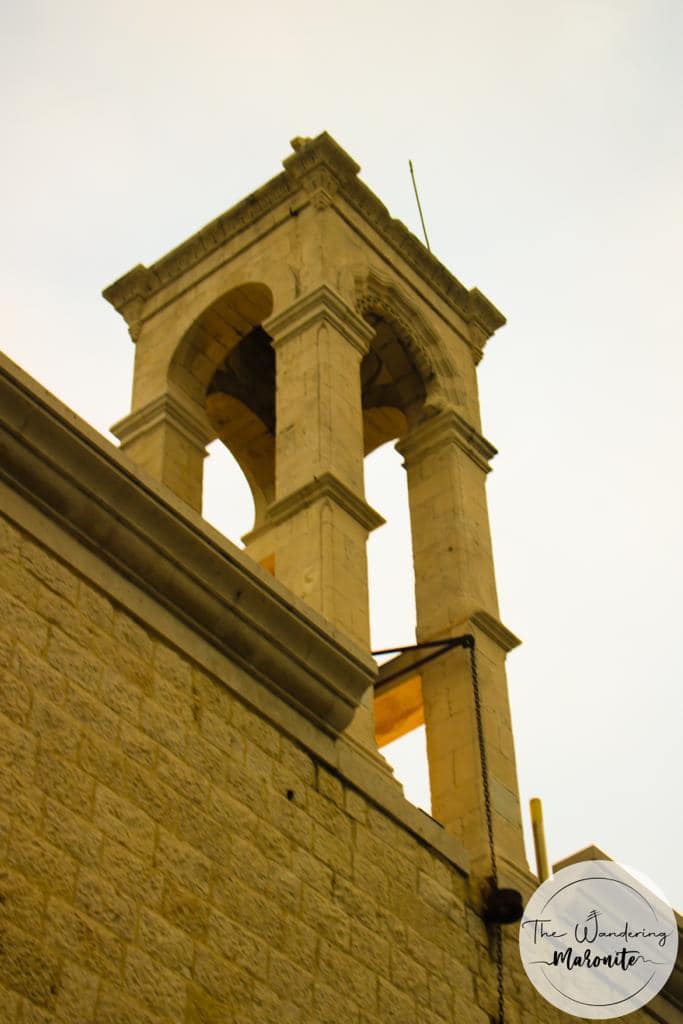
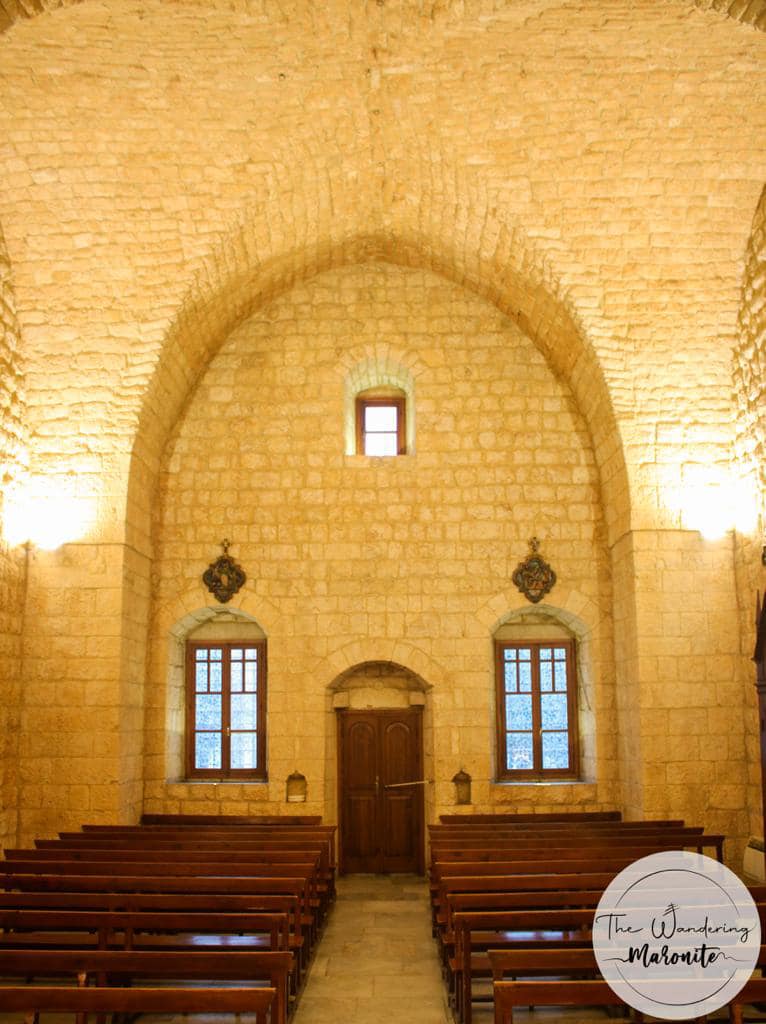
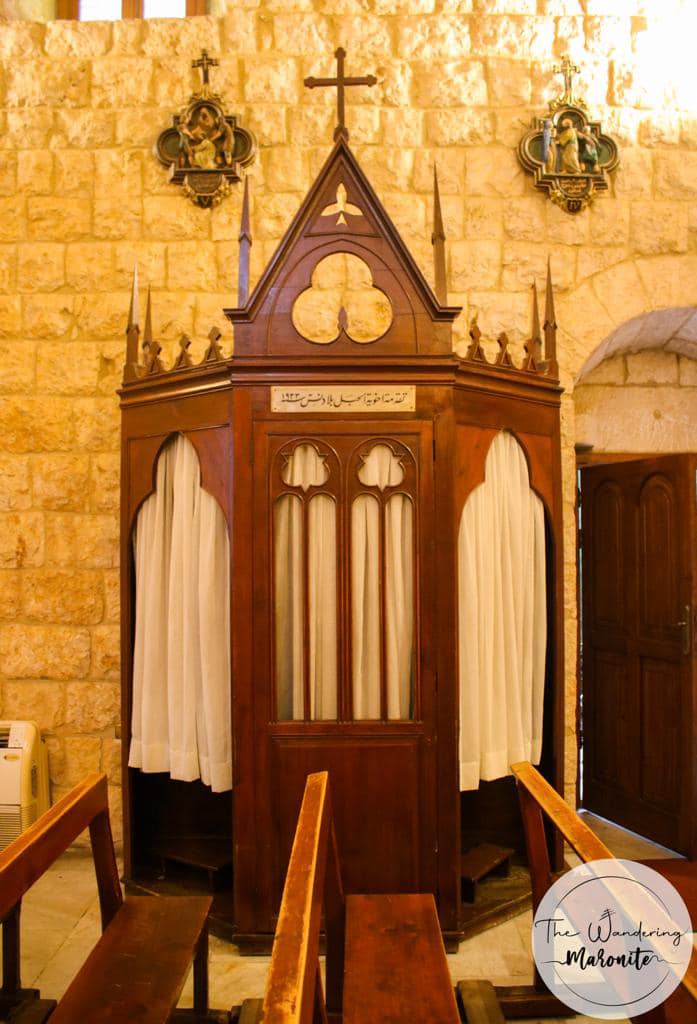
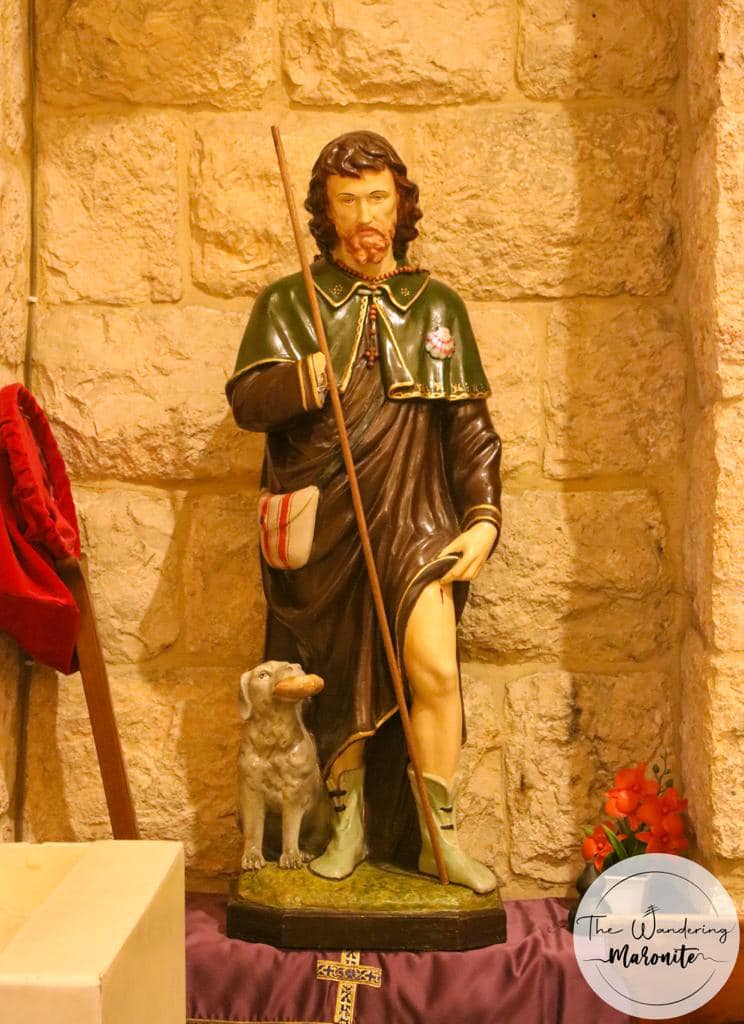
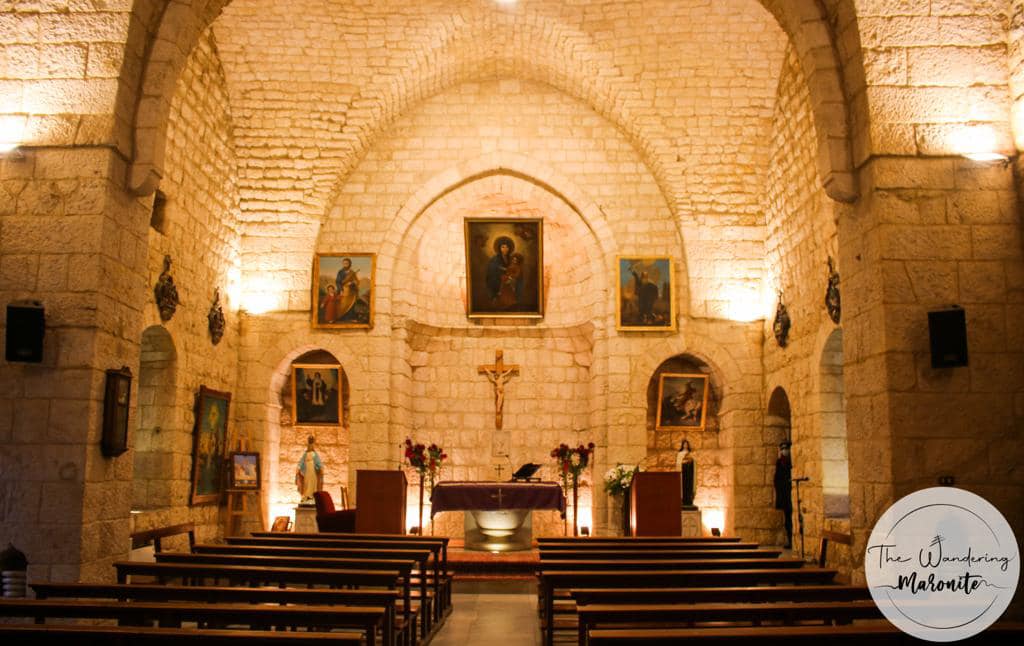
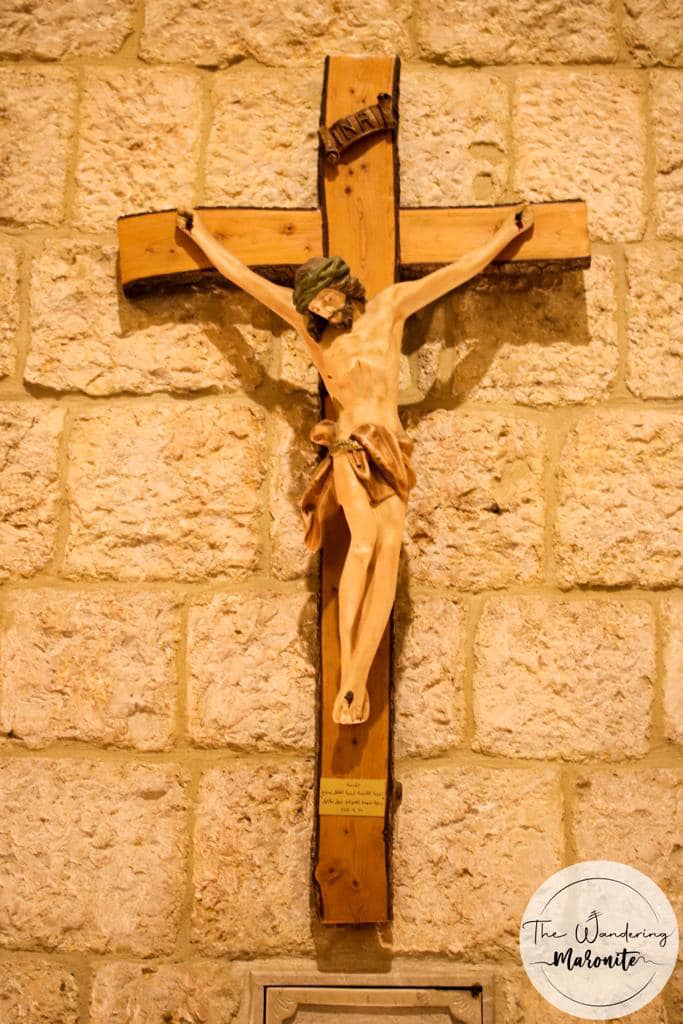
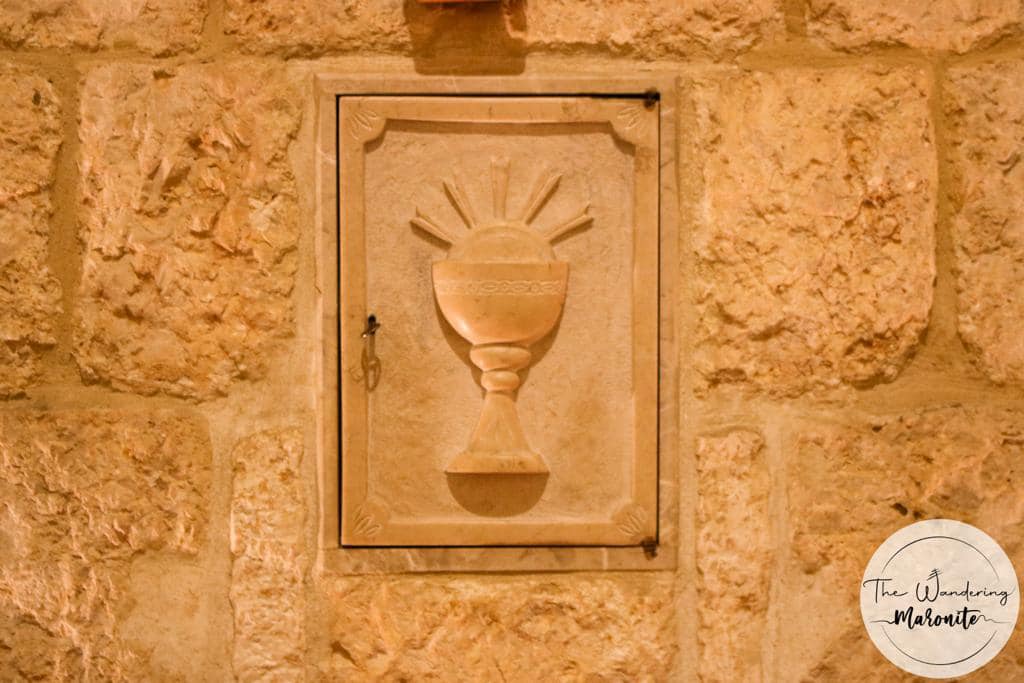
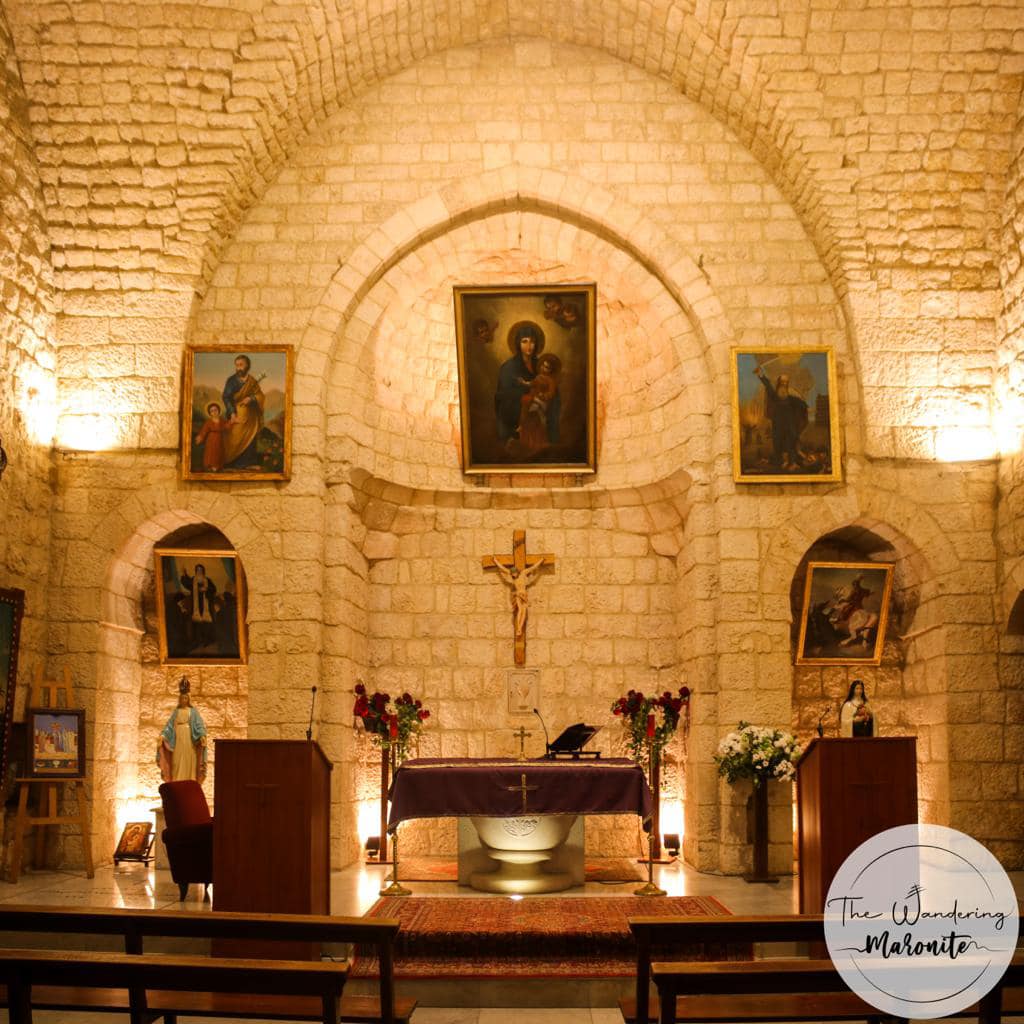
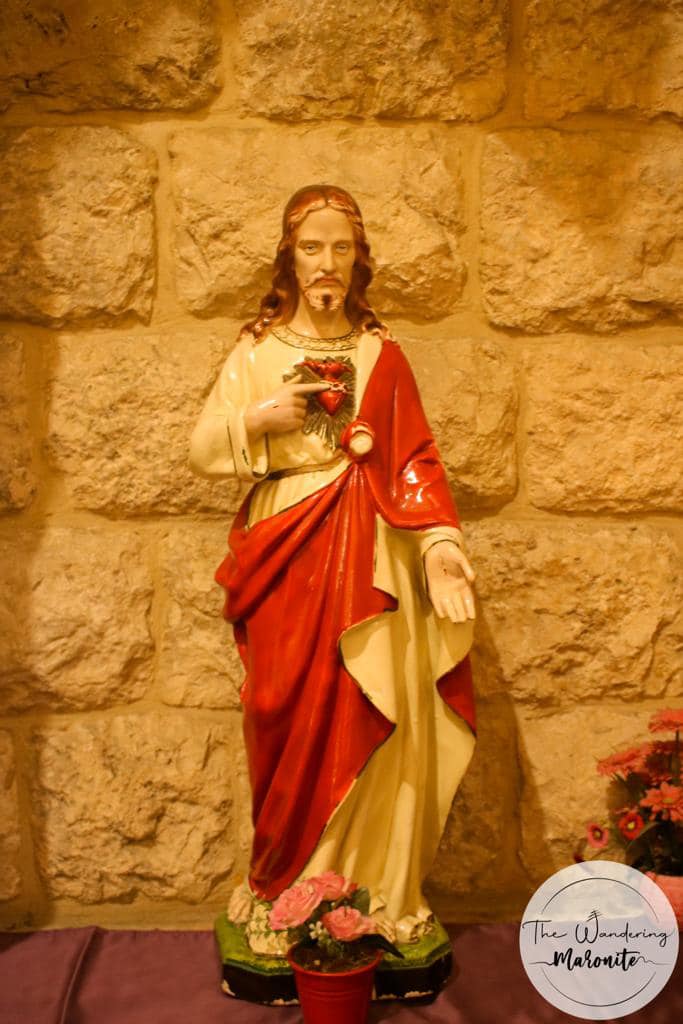
كنيسة سيّدة المعونات حارة المير - ذوق مكايل سنة ١٨٥٠ إشترى الشيخ عبّاس الخازن حجارةً مقصوبةً لبناء حارته. خلال ثورة الفلاّحين صادر الثوّار الحجارة بأمر قائدهم الياس المنيّر وبنوا بها كنيسةً رعائيّةً حتّى لا تصير مُطالبة بالحجارة، فجاء البناء عقدًا سريريًّا. رُمّمت الكنيسة أواخر القرن العشرين وهي تحوي العديد من اللوحات المحليّة. The Church of Our Lady of Perpetual Help - Haret el Mir, Zouk Mikael It was built using building stones that were originally purchased by Sheikh Abbas el Khazen in 1850 for the construction of his mansion. However, during the peasant revolution of 1858, a group of revolutionaries led by Elias el Mnayyar confiscated the stones and used them to build a cross-vaulted church. As the stones were used to build a parochial church, no one could claim ownership over them. The church features many locally made paintings and was renovated at the end of the 20th century.

Visited 6835 times, 4 Visits today

Reviews are disabled, but trackbacks and pingbacks are open.

Related Listings

Habil – The patriarchal monastery of our Lady of Habil

Our Lady of Habeel, Habil, Lebanon

دير سيّدة هابيل البطريركيّ

Habil

Jbeil

Mount Lebanon

دير سيّدة هابيل البطريركيّ - هابيل

البناء يعود لأواخر الحقبة البيزنطيّة، إنتقل إليه البطريرك يوحنا اللحفدي في القرن الثاني عشر وبقي مقرًّا بطريركيًّا الى عهد البطريرك إرميا العمشيتي. البناء كناية عن بقايا ديرٍ مع أقبية وأروقة، لم يسلم منه سوى الكنيسة وهي عقدٍ سريريّ بخوروسين، رُمّمت سنة ٢٠١٢.

The patriarchal monastery of our Lady of Habil - Habil

The church was first built during the Byzantine era. During the XIIth century patriarch Youhanna el Lehfedy made it his patriarchal seat, and it remained that way until the reign of patriarch Jeremiah of Amshyt. What remains of the patriarchal seat are the ruins of old crypts, the church still stands: it is a cribed vault with two choirs and two semi circular apses. The church was restored in 2012.

El Mina – The presbytery of Our Lady of Deliverance

El Mina, Lebanon

أنطوش سيّدة النجاة

Mina N:1

Tripoli

North

أنطوش سيّدة النجاة - المينا

بُنيت الكنيسة الأولى للموارنة في مدينة الميناء أوائل القرن التاسع عشر، وكانت قبوًا مُعتمًا تحت الأرض. كانت الرعيّة آنذاك فقيرة جدًّا وعُهدت خدمتها للرهبان الأنطونيّين، فكان طعام خادم الرعيّة يصله من دير مار سركيس وباخوس إهدن. سنة ١٨٥٠ بُني الأنطوش، وسنة ١٨٨٩ كرّس المطران أسطفان عوّاد الكنيسة الحاليّة، فكان بناؤها بشكل عقدٍ مُصالب بحجرٍ رمليّ. رُمّمت أواخر القرن العشرين.

The presbytery of Our Lady of Deliverance - El Mina

The first maronite church was built in the Mina in the beginning of the XIXth century. It was then a small underground cellar. The parish was really poor, it was entrusted to an Antonine monk who’s food was brought from the monastery of Sts Sergius and Bacchus Ehden. In 1850 the presbytery was built, and in 1889 the current church was consecrated by Mgr. Estefan Awad Archbishop of Tripoli. The structure is a sandstone crossed vault, restored in the latter half of the XXth century.

Mayrouba – The church of St Anthony of Padua Ain el Tannour

Rocher Saint Antoine De Padoue, Mayrouba, Lebanon

كنيسة مار أنطونيوس البادواني عين التنّور

Mayrouba

Keserwan

Mount Lebanon

كنيسة مار أنطونيوس البادواني عين التنّور - ميروبا

هي كنيسة صغيرة ووقفيّة خاصة لآل الخازن. كرّسها المطران أنطون الخازن أواسط القرن التاسع عشر ككنيسة تابعة لدير بقلوش. تضم الكنيسة لوحة غربيّة لمار أنطونيوس وتاج من نقود غربيّة هي نذور المغتربين من أبناء البلدة. البناء قديم وهو عقد سريريّ ينتهي بحنية نصف دائريّة.
The church of St Anthony of Padua Ain el Tannour - Mayrouba

The church is a small private chapel for the Khazen family. It was consecrated by Bishop Antoun el Khazen in the mid XIXth century as a dependency of the monastery of Baqloush. The church holds a western painting of St Anthony and a rare crown made by coins presented as ex votos by the village’s first expats. The structure is old, consisting of a crib vault with a semi circular apse.